Probability Games for Creative Problem Solving
21 July 2026 | 309
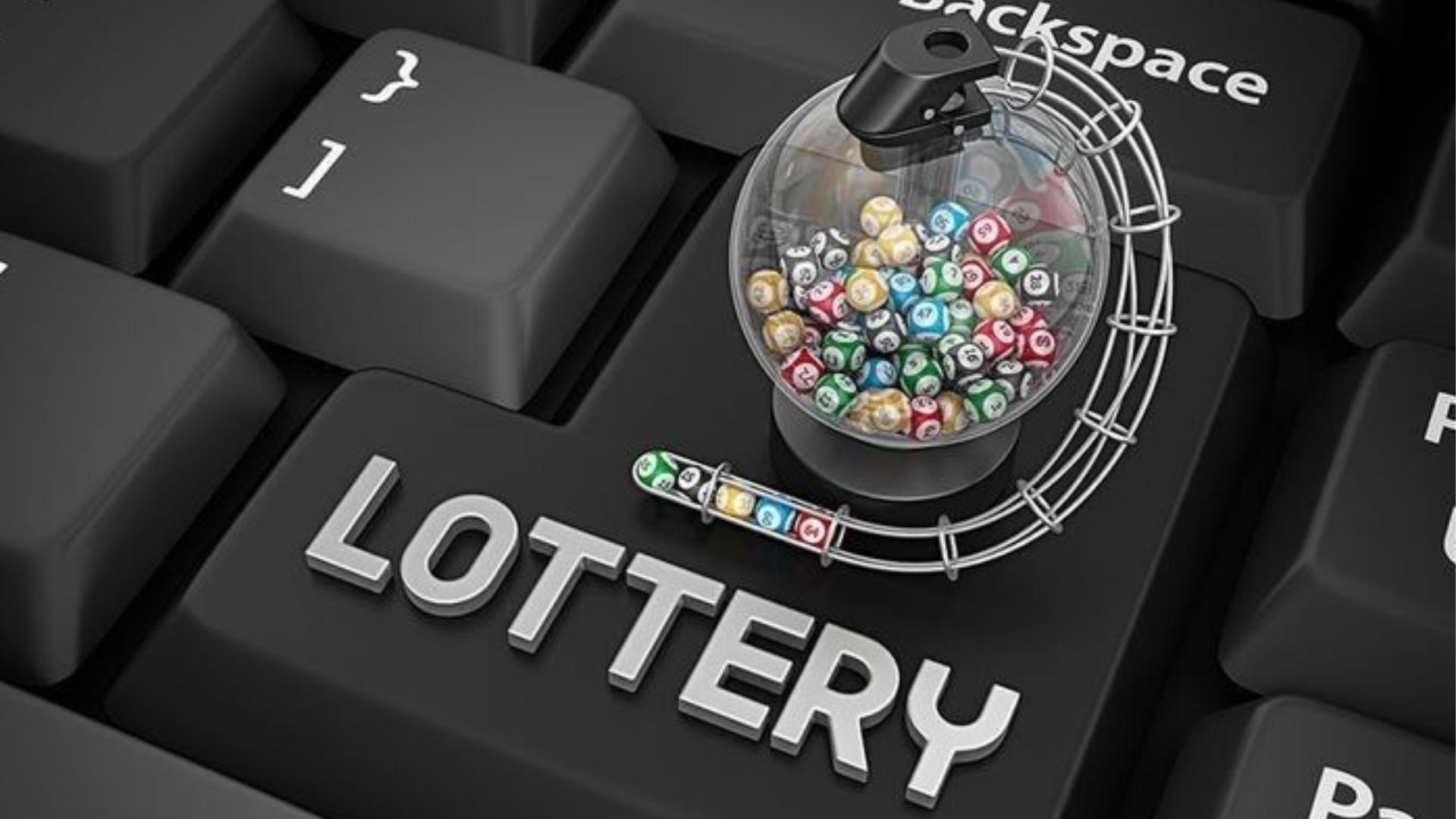
Modern workplaces and educational environments continuously seek innovative methods to develop adaptable cognitive skills. While traditional logic puzzles reinforce structured thinking, exploring the mathematics of chance introduces a dynamic layer of unpredictability. Integrating strategic games based on statistical likelihood helps individuals break away from conventional patterns and build unique perspectives for tackling complex dilemmas.
The Connection Between Randomness and Creative Thought
Standard problem-solving models often rely on linear steps that can restrict original thinking when unexpected variables arise. By introducing randomized elements, probability challenges force the human mind to abandon rigid assumptions and evaluate shifting alternatives dynamically. This mental pivot helps professionals move past standard operational procedures and discover novel strategies under pressure.
When individuals practice navigating environments where outcomes are determined by likelihood rather than absolute certainty, they naturally train their brains to remain flexible. This cognitive adaptability is essential when managing real-world projects that suffer from sudden disruptions or incomplete data sets. Learning to thrive amid uncertainty transitions simple analytical thinking into a far more robust, lateral approach.
Refinement of Risk Assessment Habits
Engaging with probability systems allows participants to cultivate a balanced view of both risk and reward parameters. Instead of fearing unpredictable errors, players learn to quantify potential hazards and treat failures as valuable statistical data points. This systematic calculation reduces the emotional anxiety typically linked with high-stakes decision-making environments.
Many digital platforms leverage these mathematical mechanics to build safe training grounds for strategic planning enthusiasts worldwide. When exploring these interactive setups, utilizing a reputable portal like M88 can offer an engaging environment to witness how randomized distributions influence tactical progression. Studying these algorithms firsthand empowers innovators to build practical frameworks for modern risk management.
Breaking Cognitive Biases Through Play
Human intuition is naturally prone to various psychological traps, such as the illusion of control or assuming patterns where none exist. Probability-based challenges systematically expose these mental shortcuts by demonstrating how true independent events actually operate over time. Recognizing these structural flaws allows thinkers to make decisions based on evidence rather than emotional assumptions.
As individuals become more familiar with statistical variance, they start viewing complex obstacles from a more balanced, objective perspective. This intellectual shift prevents early cognitive exhaustion and encourages team members to collaborate on multiple alternative solutions simultaneously. Consequently, projects benefit from diverse workflows that are highly resilient against sudden external changes.
Practical Strategies for Daily Innovation
Fostering these advanced analytical capabilities does not require studying complex theoretical textbooks or memorizing extensive algorithmic formulas. Creative thinkers can easily incorporate simple dice variations, card exercises, or specialized digital simulations into their regular routines. The primary objective is to focus on managing shifting odds rather than trying to predict the precise next outcome.
Consistently testing your logical limits through playful mathematical experimentation gradually sharpens real-world planning capabilities over time. By welcoming uncertainty into your cognitive toolkit, the process of resolving complex structural dilemmas becomes much more natural and rewarding. Ultimately, blending statistical probability with active imagination unlocks the true potential of modern collaborative innovation.